Storage for Restaurants: The 2026 Playbook for Saudi Kitchens
Smart Storage for Restaurants is the quiet engine behind every successful kitchen in Saudi Arabia. Behind the plated dishes and busy dining rooms sits a supply chain that must keep ingredients fresh, organized, and compliant with food-safety rules. In 2026, as the Kingdom’s dining scene expands from Riyadh to Jeddah, restaurant owners who master storage protect both their margins and their reputation.
This playbook explains how restaurants should structure their storage, what mistakes cost them money, and how to choose a facility that keeps service running smoothly even during the busiest seasons.
Why Storage for Restaurants Deserves Your Attention
Food is perishable, expensive, and tightly regulated. A single storage failure can spoil thousands of riyals of stock or, worse, trigger a food-safety violation. The Saudi Food and Drug Authority sets clear standards for how ingredients must be held, and restaurants are responsible for meeting them at every step.
Good storage does more than prevent spoilage. It cuts waste, speeds up prep, and gives chefs confidence that the right ingredients are on hand when the orders flood in. For multi-branch operators, centralized storage also smooths purchasing and keeps quality consistent across locations.
The Real Cost of Running Out of Space
Cramped back-of-house storage forces daily deliveries, raises labor costs, and crowds walkways. Restaurants that outgrow their kitchens often turn to external storage to free up prime floor space for seating and service, where the real revenue happens.
The Three Temperature Zones Every Restaurant Needs
Professional kitchens organize inventory into distinct zones. Getting this structure right is the foundation of safe, efficient food storage.
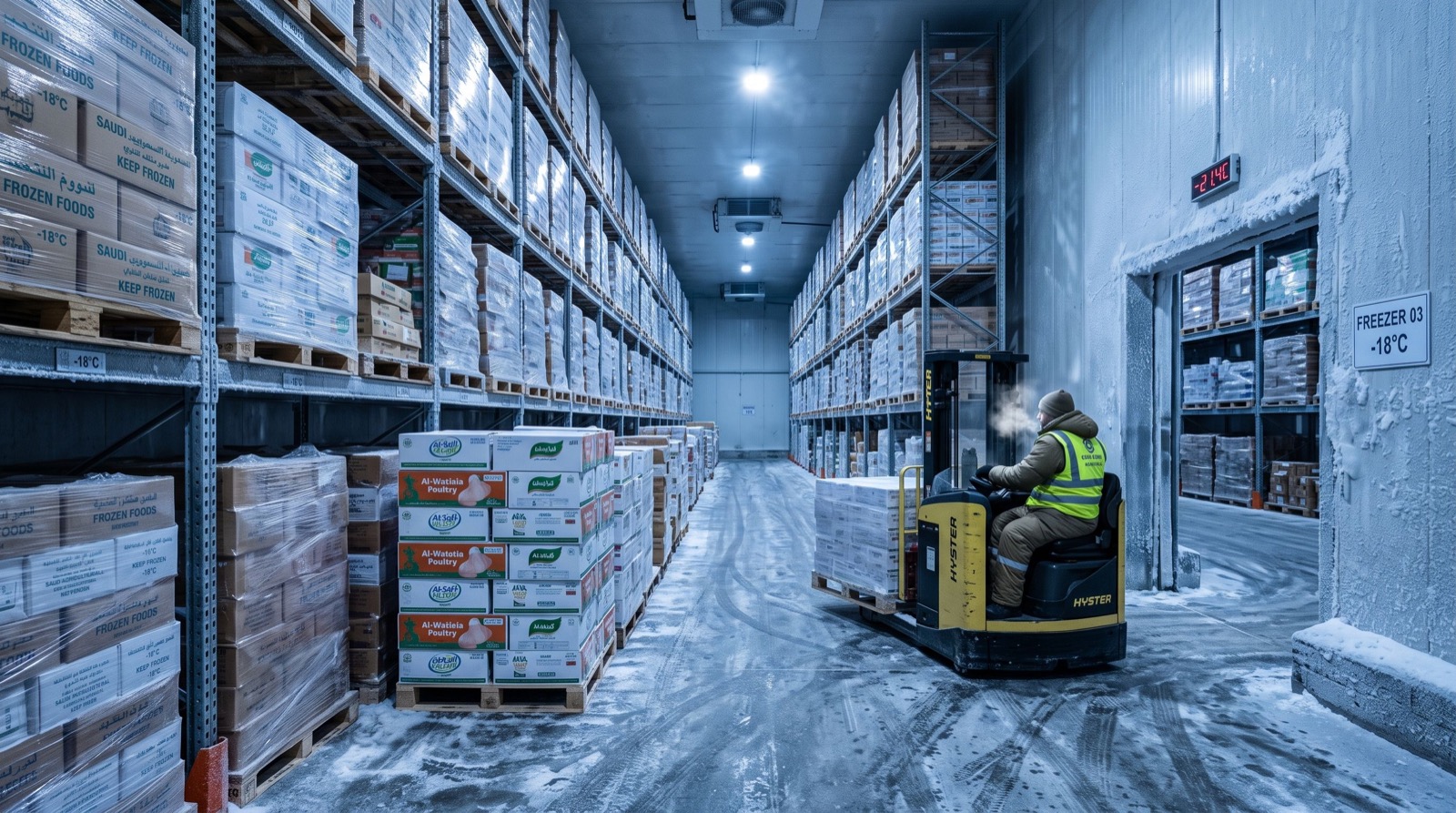
- Frozen storage — meats, seafood, and long-term stock held well below freezing.
- Chilled storage — dairy, produce, and prepared items kept between 2 and 8 degrees Celsius.
- Ambient storage — dry goods such as rice, flour, canned items, oils, and packaging.
Many restaurants underestimate how much ambient space they need. Bulk staples like rice and flour move constantly in Saudi kitchens, and running short mid-service is a nightmare. Reliable Ambient Storage In Riyadh gives operators a buffer of shelf-stable stock without cluttering the kitchen.
What Should Restaurants Look For in a Storage Facility?
Not all warehouses understand food. A facility built for furniture will not meet the hygiene and temperature demands of a kitchen supply chain. When evaluating options, prioritize these features.
- Validated temperature monitoring with alerts and logs.
- Pest control and food-grade cleaning protocols.
- Fast, scheduled access so deliveries never stall service.
- Flexible contracts that flex with seasonal demand and events.
Purpose-built Storage for Restaurants combines these elements, giving food businesses the compliance and convenience they cannot get from generic self-storage.
Storage Zone Comparison for Restaurants
The table below shows how each zone supports different ingredients and service needs in 2026.
| Zone | Temperature | Typical Items | Shelf Life Impact |
|---|---|---|---|
| Frozen | -18°C or below | Meat, seafood, pastry | Months |
| Chilled | 2–8°C | Dairy, produce, sauces | Days to weeks |
| Ambient | Room temperature | Rice, flour, canned goods | Months to a year |
Reducing Food Waste Through Better Storage
Food waste is both an ethical and a financial problem. Industry data consistently shows that a large share of restaurant waste comes from poor stock rotation, not over-ordering. The fix is simple but disciplined.
Adopt a strict first-in, first-out system. Date every container on arrival. Keep clear sightlines so older stock sits in front. These small habits can trim waste by double digits within a single quarter.
A Tip From the Pass
One practical insight that experienced chefs swear by: map your storage layout to your menu, not your deliveries. Place the ingredients for your best-selling dishes at eye level and nearest the prep line. This single change shaves seconds off every order and keeps service flowing during the dinner rush.
Choosing the Right Storage Partner
The facility matters, but so do the people running it. Work with trusted professionals who understand food-safety compliance and can respond quickly when something goes wrong. A responsive team is worth more than a slightly cheaper rate.
Before signing, visit the site. Check the cleanliness, ask to see temperature logs, and confirm how access works during weekends and holidays, when many restaurants are at their busiest.
Frequently Asked Questions
What temperature should ambient storage for restaurants maintain?
Ambient storage keeps dry goods at a stable room temperature, typically shielded from direct heat and humidity. The space should stay cool and dry so staples like rice, flour, and canned items hold their quality for months.
Can small restaurants benefit from external Storage for Restaurants?
Yes. Even single-location restaurants gain value by moving bulk and backup stock off-site, freeing kitchen space and reducing the pressure of daily deliveries.
How often should restaurant inventory be audited?
Most successful operators count high-value items weekly and run a full inventory audit monthly. Frequent checks catch waste, theft, and ordering errors before they grow.
Is off-site storage compliant with Saudi food-safety rules?
It can be, provided the facility meets SFDA standards for temperature control, hygiene, and traceability. Always confirm certifications and monitoring before storing food off-site.
Budgeting for Restaurant Storage in 2026
Storage is an investment, and the smartest operators treat it that way. Rather than chasing the lowest headline rate, they weigh total value: how much waste a facility prevents, how much kitchen space it frees, and how much faster service runs with reliable stock on hand. Those savings often dwarf the monthly fee.
Build your budget around real numbers. Track your average spoilage, your delivery frequency, and the labor hours spent managing cramped storage. Then compare that against a professional facility. Many Saudi restaurants discover that external storage pays for itself within a single busy season.
Keep these cost drivers in mind when planning:
- Volume and zone mix — frozen and chilled space costs more than ambient.
- Access frequency — daily pickups may carry handling fees.
- Contract length — flexible terms cost slightly more but protect cash flow.
- Value-added services — inventory management and reporting save staff time.
Negotiate on the services that matter to your kitchen, not just the square meters. A provider that bundles monitoring and reporting often delivers better value than a bare-bones unit at a cheaper price.
Final Thoughts
Mastering Storage for Restaurants turns a hidden cost center into a genuine advantage. In 2026, Saudi diners expect consistency, speed, and quality, and all three depend on what happens behind the kitchen door. Organize your zones, control your temperatures, and partner with a facility that treats food with the care it demands. Ready to free up your kitchen and protect your ingredients? Secure storage designed for restaurants today and serve every guest with confidence.